

A Symphony of Sound
Genre-defying soloists. Visionary composers. Three glorious new pipe organs. Join us at Trinity Church for a season of world-class performances.
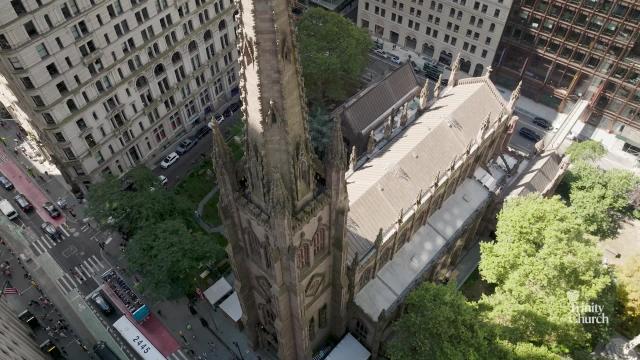
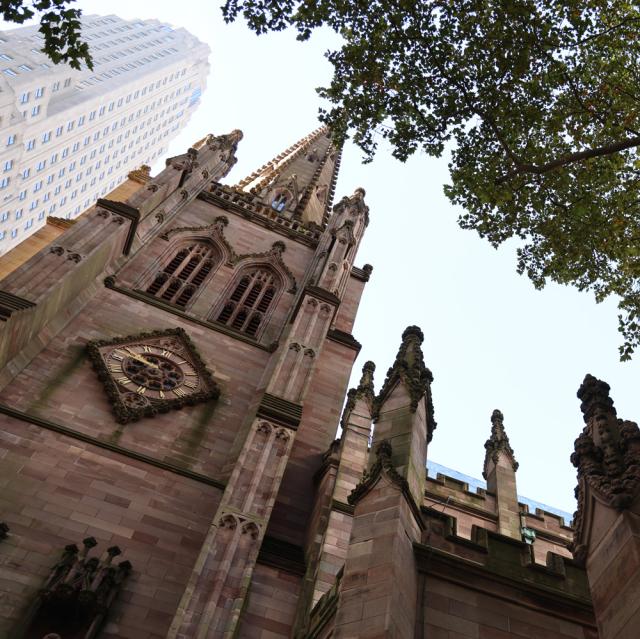
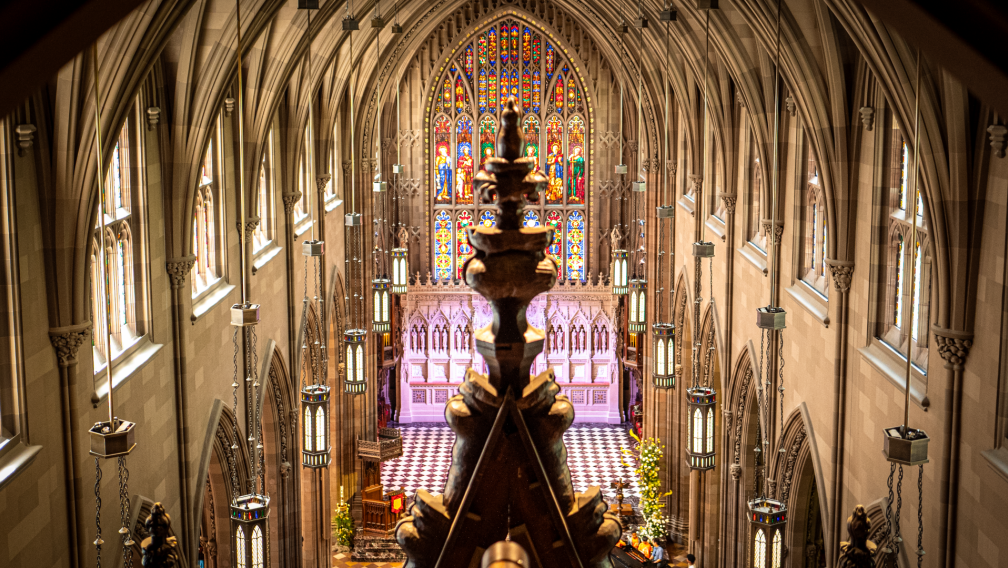
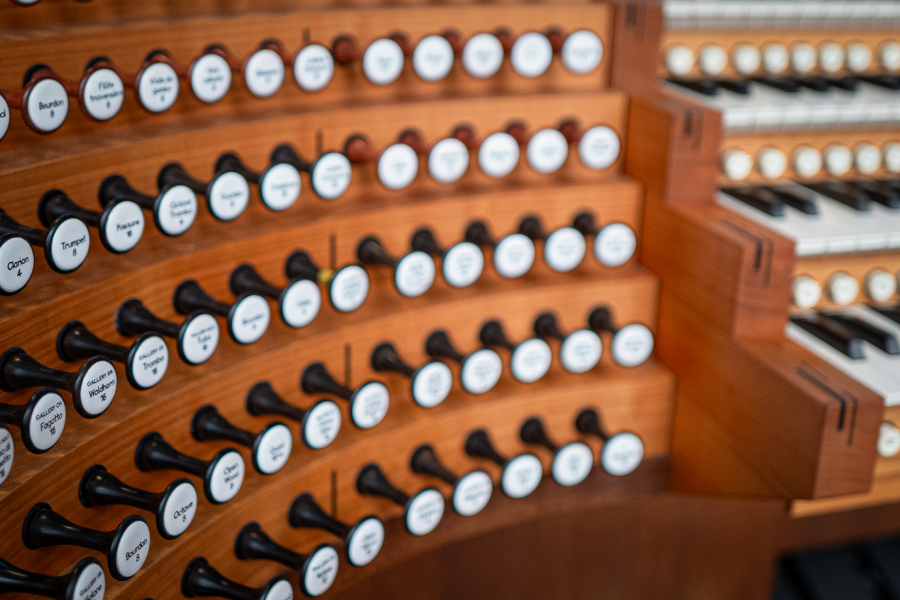
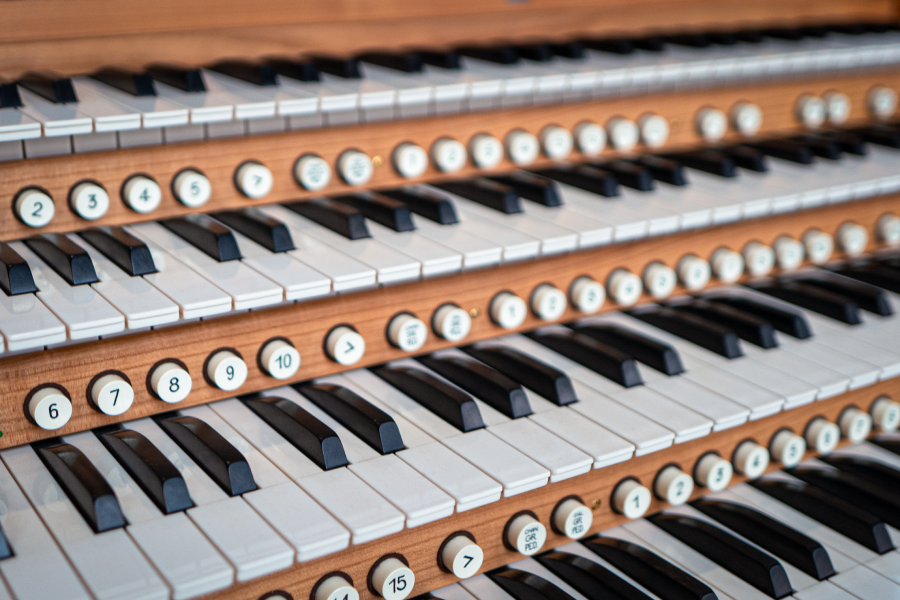
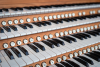
On a typical morning in Trinity Church, a smattering of people mill about the sanctuary. As a few tourists settle into a pew to take selfies against the stained-glass backdrop and a family inspects the altar carvings, Avi Stein, Trinity’s lead organist, slips unnoticed through a door hidden in the paneling to practice at the church’s gorgeous new organ. Climbing stairs shrouded behind rows of massive gilded pipes, he settles in at a mechanical-action console and plays a chord. As the music swells from nowhere and everywhere all at once, a young boy throws his hands up toward the ceiling in a guileless display of praise that just might speak for everyone in the room.
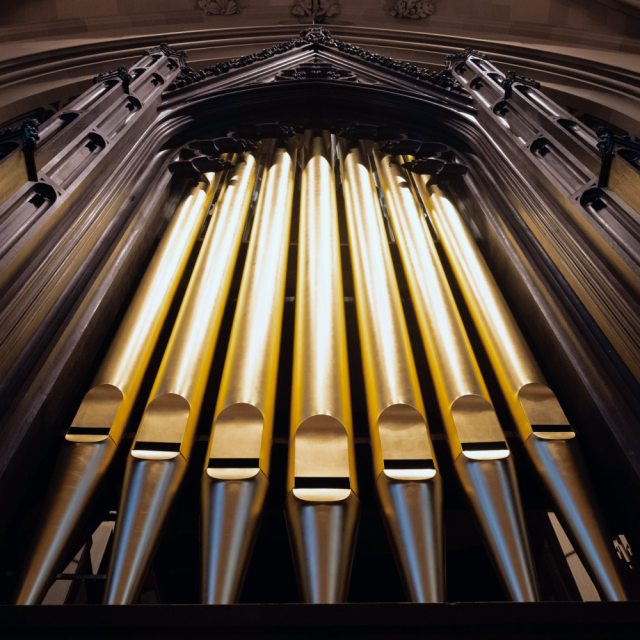
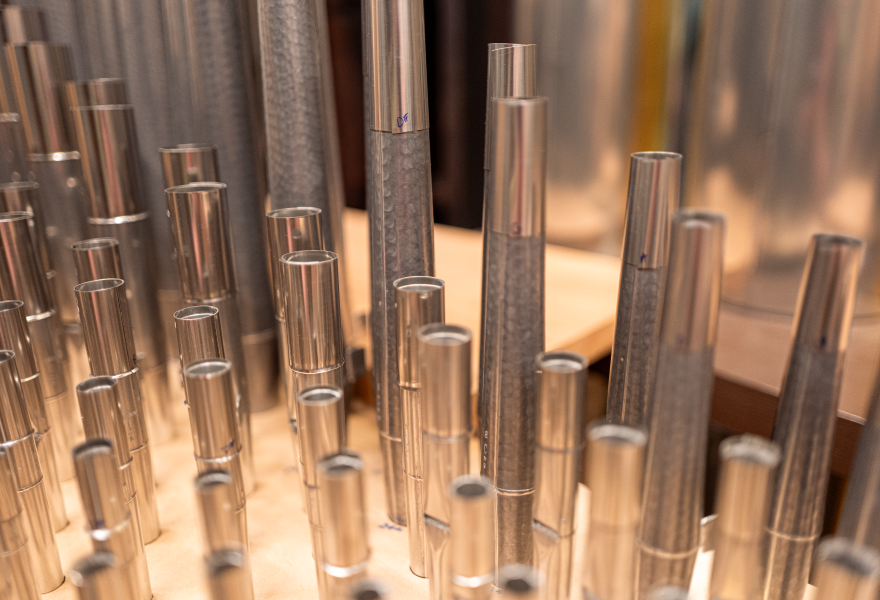
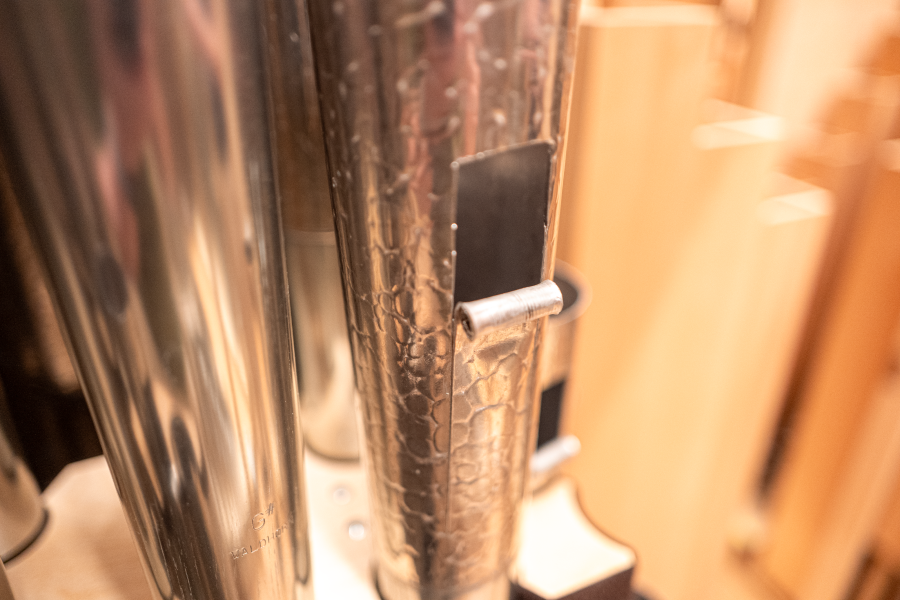
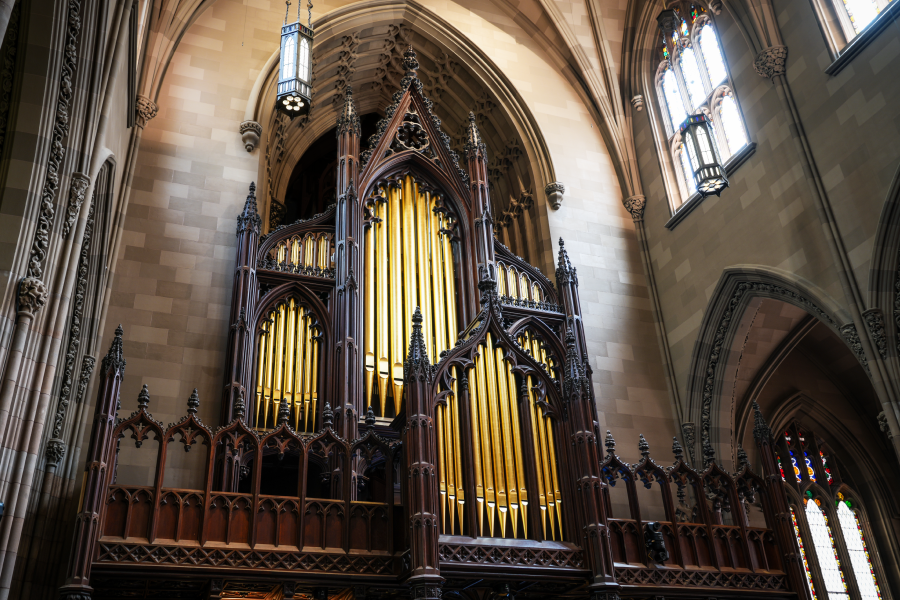
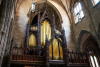
“The soaring sound of this organ fills the space with a multitude of colors,” says Stein of the magnificent new instrument. Painstakingly crafted by German organ builder Glatter-Götz in collaboration with Los Angeles tonal designer Manuel Rosales (best known for their daring installation at Frank Gehry’s Walt Disney Concert Hall in Los Angeles) the “Opus 40” required a large team to install — carpenters and electronics technicians, metal workers and gilders. Its 8,041 handcrafted pipes, ranging from a whopping 32 feet in length to as small as the width of a pencil, were gently nestled into the church’s two elaborate organ galleries: one in the front chancel (the space around the altar) and the other a towering cabinet constructed in 1846 that perfectly fits inside the grand three-story arch above the entryway.
For Trinity’s vicar, the Rev. Michael Bird, the church’s 2015 decision to embark on the monumental restoration project was as much spiritual as practical. In 2015, when the idea was conceived, all three of the church’s organs had fallen into disrepair. The instruments in St. Paul’s Chapel and the Chapel of All Saints were badly worn by age, and the main nave organ was so compromised that Trinity’s choirs and congregation had been accompanied by a digital stand-in for over a decade. But, says Bird, “a pipe organ just speaks differently; it surrounds you and moves through you organically, creating a communal atmosphere and connecting us to the Spirit.” To continue to provide healing, sanctuary, and music for its city, Trinity needed new organs.
So a holistic plan was hatched to meet the wide-ranging needs of a church with a diverse and devoted congregation and an ambitious mission to offer high-caliber performances to the larger community — for free. First up, replacing the St. Paul’s instrument with one that was being removed from another church. The new organ was one the Trinity team had admired, so they had it rehabbed and reeinginered to suit its new space as well as the choirs, concerts, and church services it would support. In 2023, the intimate Chapel of All Saints received its own instrument: a small antique-style organ built principally to play 17th-century music, an era for which Trinity musicians are reknowned.
Stein has been a driving force behind the renewal project from the beginning. For its third phase, replacing the primary instrument in Trinity Church, he traveled across the U.S. to play 35 of the country’s finest pipe organs, researching potential craftsmen to answer the question: What instrument could best bridge Sunday worship, a robust slate of concert performances, and music from Bach to Britten to blues? In the end, he knew it when he heard it. “There's a kind of poetry in the organs built by Manuel Rosales,” he says. “The art lies in how he listens to and adjusts each individual pipe, making what is essentially a machine an expressive being.”
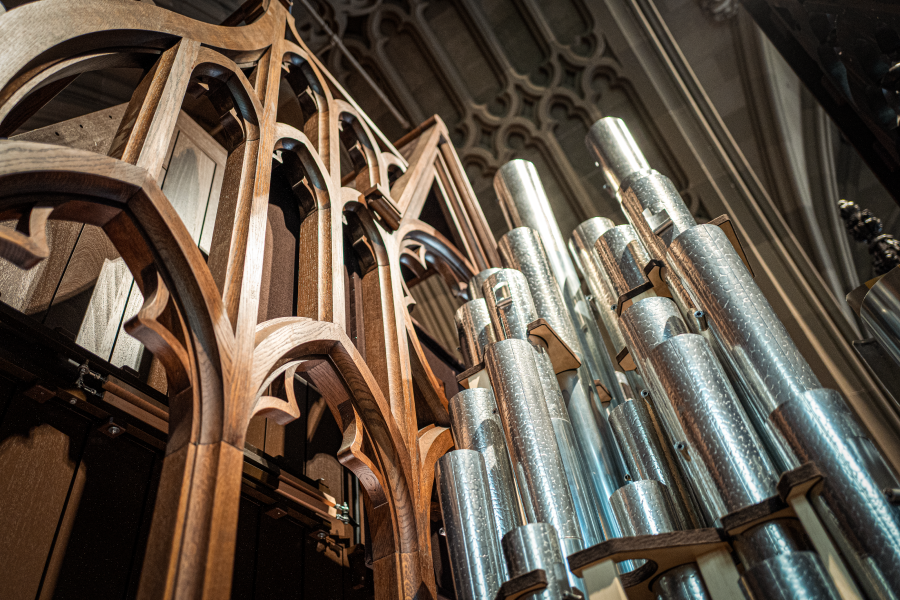
Now, with the final pipe tweaked, Trinity is inviting everyone inside to revel in the crowning achievement. PIPES: A Season of Celebration will be an extravaganza of performances by a constellation of the world’s greatest organists. Preeminent soloists — some of whom began their careers at Trinity — will be joined by Trinity Choir, Trinity Baroque Orchestra, NOVUS, and more, to explore the far reaches of the organ’s universe of colors, tones, and abilities. “We’re going to discover the full spectrum of what this instrument can do,” says Stein.
Demonstrating just how thrilling the swell of a pipe organ can be, the magnetic Anna Lapwood, 30-year-old organist for London’s Royal Albert Hall, will kick off the series with a set that includes pieces by Hans Zimmer, Rachel Portman, and Benjamin Britten; plus her own arrangements and a world premiere by Eunike Tanzil, an eclectic young pianist who’s composed everything from film and TV scores to works for the Royal Philharmonic Orchestra and beyond. A devoted ambassador of the pipe organ, Lapwood has cultivated a massive social media following and a new generation of aficionados with her exhilarating, genre-bending arrangements of pop artists like Dr. Dre, and collaborations with the likes of British pop star Raye and Italian pianist and composer Ludovico Einaudi.
Lapwood’s is just the first in a series of modern voices that will offer new ways to hear this centuries-old sound. Alcée Chriss III, Trinity’s assistant organist, whom Stein calls “a star,” will demonstrate his vast range and the full surround-sound power of the pipes on September 23 at 6pm, when he presents movements from Sergei Rachmaninoff’s Symphonic Dances, and Max Reger’s Fantasy and Fugue on B-A-C-H. He will also play his own jazz and gospel improvisations — a genre that Chriss, a minister’s son, says is “in my bones no matter what I do.” Like Stein, Chriss describes the new landmark organ in strikingly lifelike terms: “She’s more an organism than an object, a living and breathing thing made of real metal, real wood, real wind,” he says.
Stephen Tharp, another of the country’s leading soloists, will offer a breathtaking reconception of Igor Stravinsky’s The Rite of Spring — arguably the most groundbreaking work of the 20th century. His program, on October 7, at 6pm, will include other orchestral pieces that also afford him the opportunity to manipulate the instrument’s wide array of more than 100 stops to emulate the many facets of an orchestra.
On October 15, at 6pm, audiences will get to hear Avi Stein himself unleash the full range of the Opus 40’s expressive capabilities. The Trinity organist started playing at age 7, after falling for the theme song — Bach’s ubiquitous Toccata and Fugue in D minor — of his favorite cartoon, Once Upon a Time, and asking his folks for lessons. “As a kid, it’s incredible to control a whole universe of sound, playing really quiet and really loud, squeaky or rumbly,” says Stein, who went on to earn a Fulbright scholarship and join the faculty of The Juilliard School. Demonstrating the organ’s ability to play in dialogue with others, Stein will be joined by NOVUS strings for Francis Poulenc’s Organ Concerto in G Minor, a lush and witty homage to Bach, and Sonata on the 94th Psalm, written by Julius Reubke, a disciple of Franz Liszt who died at 23.
On October 23, Janet Yieh, once an assistant organist at Trinity herself, will highlight what many consider to be the organ’s most crucial capability: accompanying congregants and choruses. Now the music director at New York’s Church of the Heavenly Rest, Yieh will perform with Downtown Voices, delivering iconic Anglican and American sacred works chosen to illustrate both the instrument’s soaring transcendence and quietest sweetness. “That quality inspires us to look above and beyond, into something more than just ourselves,” says Stein.
Further establishing Trinity’s place in the organ firmament, on November 4, the church’s organists past and present — Bruce Neswick, Stein, and Chriss — will gather with Trinity Choir to spotlight the work of another former Trinity organist. The incomparable David Hurd, whom Trinity’s music director, Melissa Attebury, calls “a leading composer and organist in Episcopal church music for decades,” will direct his own choral works, which blend spiritual depth and bold harmonies.
Throughout this celebratory season, the popular midday Concerts at One will also join the fun. Wednesday Bach at One performances will move from their traditional location in St. Paul’s Chapel to Trinity Church, where Stein, an early music expert, along with Trinity Baroque Orchestra, Trinity Choir, and NOVUS, will highlight Johann Sebastian Bach’s virtuosity on the instrument that played such a vital role in his life and music. The series opens with Part 1 (Kyrie and Gloria) of Bach’s monumental Mass in B Minor and ends with that work’s transcendent conclusion.
Not to be outdone, Monday’s Jazz at One will invite some of the jazz world’s organ wizards to St. Paul’s Chapel, to play the church’s other exciting new acquisition: an historic Hammond B3 organ. A freestanding electric instrument that became especially popular in the Black church after its invention in 1935, the B3, renowned among keyboardists, allowed artists from Fats Waller to Duke Ellington to migrate the distinctive gospel-rooted sound to soul-infused clubs.
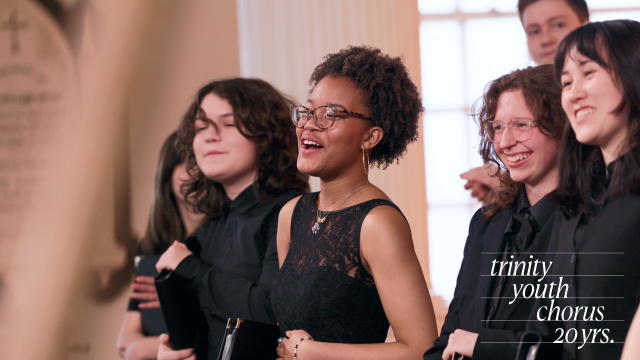
Exemplifying Trinity’s ongoing commitment to nurture new talent and educate young performers, the Trinity Youth Chorus will close the series for the fall season. On November 9, Stein will accompany the young singers as they perform their own adaptations of two masses: Gabriel Fauré’s Messe basse, originally scored for upper voices, and Maurice Duruflé’s Messe Cum Jubilo, the composer’s last large-scale work, written for baritones and a baritone soloist. Peyton Marion will conduct these foundational choral masterpieces.
In a rousing finale, the PIPES celebration culminates on February 4, 2026 with a performance of Louis Vierne’s grand Messe solennelle, written for the Cathedral of Notre Dame, alongside works by Marcel Dupré and Lili and Nadia Boulanger, celebrating the richness of the French sacred tradition. This event also marks the beginning of an exhilarating future for the Music team. “Avi, Alcee, and I have already compiled a wish list of choral-organ works for the next few seasons,” says Attebury. With an organ that can handle orchestral pieces, the possibilities seem limitless. “We can think beyond traditional liturgical works involving only choir and organ,” she says.
Stein’s gaze is trained even further down the road. “Musical tastes and worship tastes and all sorts of aesthetics will change, so we’ve worked to ensure this instrument will be able to adapt to whatever future generations might want to try,” he says. “All I can hope is that musicians for years to come will be grateful we created this beautiful, magical thing.”
PIPES: A Season of Celebration begins September 14. See the lineup and reserve your tickets.